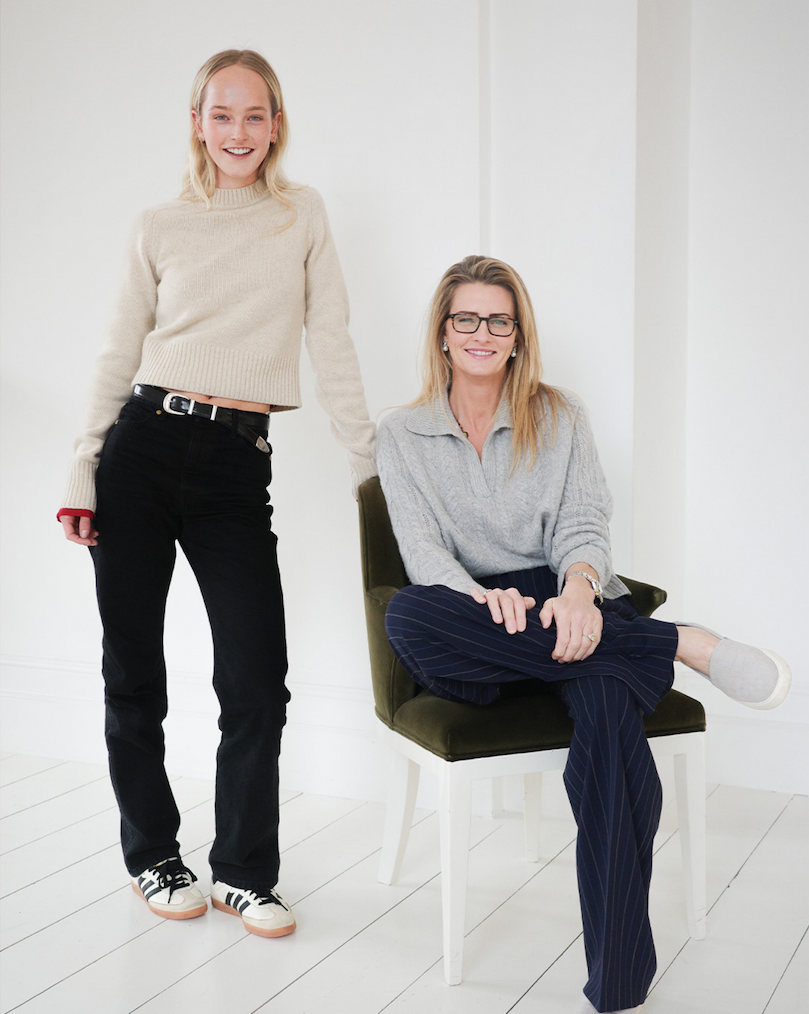
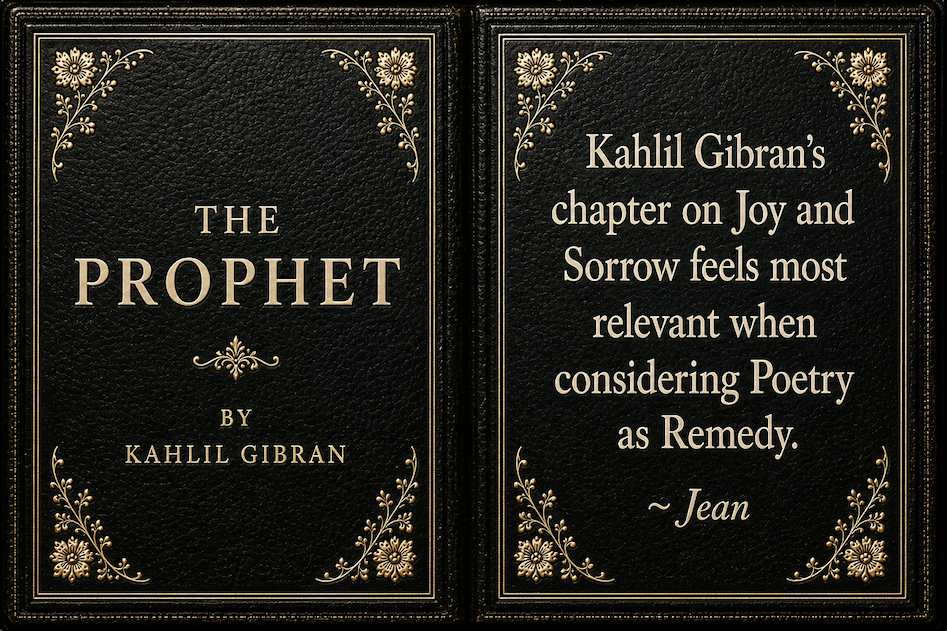
For our second SBG Newsletter, I am delighted to hand the reins to our guest editor – pain and healing advocate, award-winning podcaster, and iconic supermodel Jean Campbell. In this issue, Jean invites us to consider Poetry as Remedy – a practice that has accompanied humankind since at least 2300 BCE, ​​the time of the oldest known authored hymns, and very likely long before scribes anchored our oral traditions to the page.
Poetry does not just speak to us. It dances with us in a language beyond words, tending to what poet Joy Harjo calls “the fire kept burning by the keepers of your soul.” Poetry ​lights up the basal ganglia and insula ​​– the ancient network deep in our brains where neurons fire and dopamine flows to produce the experience of reward (anticipation, motivation, satisfaction) and the attendant sensations of the body. Recent studies of the relationship between poetry and wellbeing confirm that reading, writing, and reciting poetry eases depression, anxiety, and PTSD.​ For those navigating chronic pain, grief, or any form of quiet suffering, this matters.
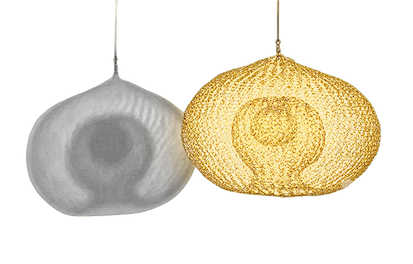
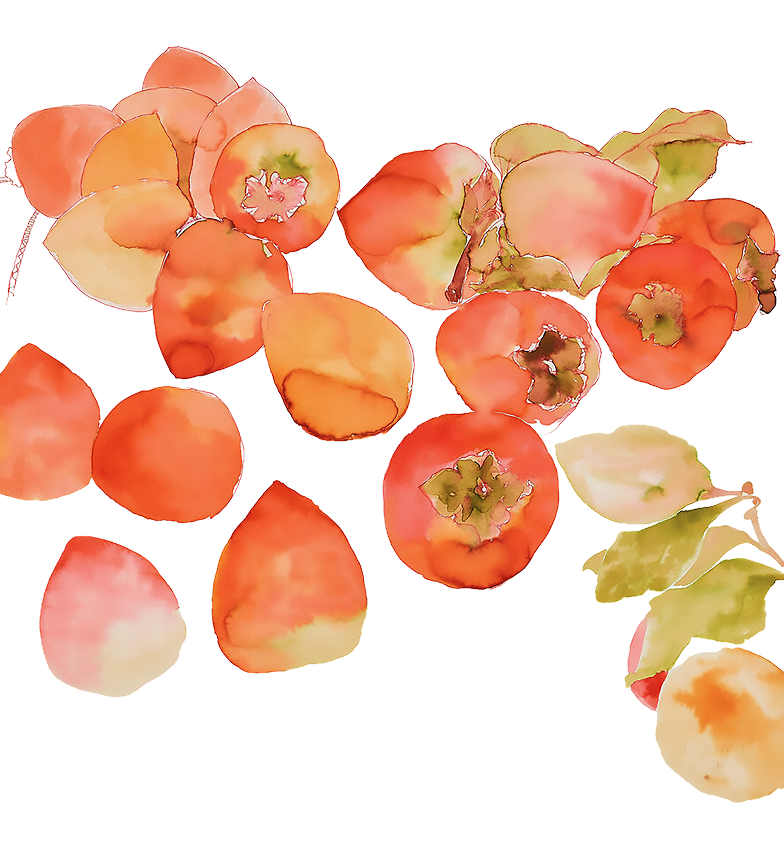
Be it Jean’s intensely personal revelation of how poetry and art shaped her recovery, Sophia Kelly’s stunning poetic journey through grief after the death of her father, or artist Ruth Asawa‘s woven metal sculptures and vibrant painting – Poetry as Remedy is Jean’s proclamation of strength, vulnerability, and healing. I hope you’ll find the time to visit with us here a while, and in so doing, create that most poetic element of wellbeing – connection through the shared experience of meaningful moments.
With warmth and gratitude to Evie Donald, who introduced me to Jean and whose love of poetry and art helped shape this issue, and to Jean herself, who with honesty and courage finds peace within pain and turns darkness into light.
~ Natasha Silver Bell
|
|
What lies behind us and what lies before us
are tiny matters compared to what lies within us.
– Ralph Waldo Emerson
|
|
Poetry, that heart-cry that comes to us
in times of love and crisis.
– George Ella Lyons
|
|
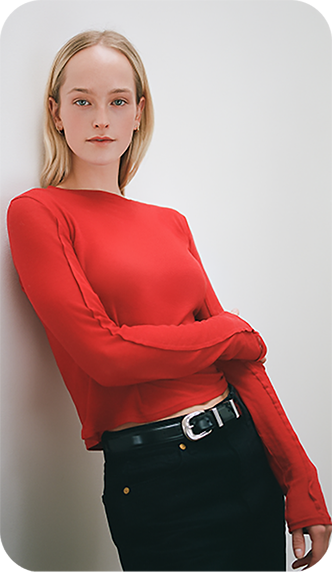
Pain and Healing Advocate and British supermodel Jean Campbell starred in her first Burberry campaign at sixteen, arriving on set on crutches while privately battling excruciating hip dysplasia. Jean’s journey with pain began at just 12 years old, following an accident that accelerated the deterioration of hips already declining from a genetic condition. After corrective surgeries on both sides, her pain persisted and worsened; at 20, faced with the prospect of eight additional operations and a six-year recovery, Jean refused to believe extreme surgery was the only route of progression, intuiting there was another way. Acceptance of her pain and of the fallibility of human nature turned Jean’s depression into curiosity, prompting a gradual recovery incorporating low impact exercise, meditation, and a deepening sense of what can and cannot be controlled in life. Jean is the creator and host of the award-winning podcast I’m Fine, offering advocacy, support, connection and resources for others navigating chronic pain.
The best exercise for the heart is to bend down and lift someone else up, People did that for me, and Jean is doing that for so many others. It’s a privilege to amplify the incredibly meaningful work Jean is doing.
~ NSB
|
|
|
|
When I was asked to contribute to SilverBell Global’s newsletter, I experienced a slight sense of imposter syndrome. Once I learned of this issue’s theme, however, any sense of unease faded. ‘Poetry as Remedy’ really speaks to me. Through the process of creating my podcast I’m Fine, I speak to people about pain – their personal experiences, solutions and mind/body techniques for healing. In my own journey, literature and poetry have been transformative. They have been the catalyst for taking me out of my reality and finding my way into a new one, first in my mind and then in how I respond to my own circumstances or those of others.
I appreciate the broad definition of poetry this newsletter supports. The truth is, life is full of poetry beyond the written word, captured over hundreds of years through storytelling and myth. This includes poetry of the mind: a shift in perspective, an effort to look at things outside of the pain we may be in from which the mental prerequisite to facing adversity is borne. Faith, inspiration and beauty are available in all things and in every experience if we can but find them.
The poetic cliché, “the brighter the light, the darker the shadow,” comes to mind. I suppose this could come across as a sort of warning…but I choose to see it another way. To me, this moral platitude expresses the truth that on the other side of great pain, challenge and despair is a light brighter than wherever we came from prior to being overcome by darkness. This has been my experience, at least.
~ Jean Campbell, Guest Editor
|
|
At the end of last year, I lost one of my closest friends to suicide just as another dear friend, Sophia, had a family bereavement. Sophia’s grace and fortitude in the face of loss have been nothing short of inspiring… As she walked the road of grief and acceptance, Sophia began writing, reading what she’d composed to me along the way. Beautiful words strung together as poetic renditions of her pain, her love, her searching and transformation. Somewhere along the line I suggested that if she ever wanted to connect with others over the subject of grief, we could do that together.
Over 300 people showed up that night, inspired by Sophia’s words – light and lyrical amidst her adversity. It was humbling to see how many people came together to explore poetry and grief, finding in community what is so often a very lonely experience.
As part of my contribution, Sophia and James encouraged me to write something connecting to my own loss, which I read that evening. Until then I had not been able to string together a coherent thought about how I felt, but the opportunity to explore that loss as a creative project, and to connect to the wider community, unlocked a kind of freedom I hadn’t suspected would be possible. It was connecting to the universality and humanness of the experience – and the response this poetic pursuit provoked – that made it so.
I was afraid that revisiting certain experiences would mean re-living them – that my body would remember all too clearly what my mind wanted to forget. In truth, my subconscious mind was already sheltering past experiences that controlled my present thoughts and actions in ways I couldn’t recognise until I was ready to shine a light on them, tend to them, and thus begin to understand them.
The fear of looking into the shadows of my own experience has always been greater than the discomfort of honest self-scrutiny. In shining a light into my perceived darkness, I have found the possibility of visibility, of freedom from fear. Darkness doesn’t swallow light, it welcomes it.
Go into the darkness with your torch, and you, too, will turn it into light.
~ Jean
|
|
Sophia’s poem excerpted below; you can read the full version here
|
|
THE AFTER PARTY
I thought death would bring closure.
Instead, it revealed love’s scale.
Its limitless expansion.
Now I live in the after
It’s not an ending, or a destination.
It’s a landscape.
I keep a map in my heart of the places where the veil thins; the river, a reggae song, his handwriting, bread and butter pudding, almond oil, fila tracksuits, hats.
People sometimes ask me how I am and I say ok.
Because I am.
But I live somewhere else now.
My humour survived, it’s sharper in fact.
I laugh at things that are not funny.
At the solemnity of condolence cliches.
I talk to him in the grammar of my decisions.
He is the why.
He is the how. He is the who of all I am.
Some days the ache is background music.
Other days, it’s the bass line.
Either way it plays.
I’ve stopped searching for signs, but I welcome them when they arrive.
Where I am now is not healed, it is not broken, it is continuous.
The bridge is there when I need it. I don’t cross as often, but I do know the way.
Love is not the antidote.
It’s the medium.
Grief is not a problem to solve.
It’s a landscape to live in.
Pack a raincoat and your sense of humour.
– Sophia Kelly
|
|
I’ve always found a certain catharsis through art. Art validates experiences and gives voice to emotions we may not yet be ready to claim as ours. Art speaks to the wounded parts, desperate to be seen but afraid to be spoken of.
At times during my adolescence – an age meant for discovering one’s place in the world – I felt completely hopeless and utterly alone. Prior to opening my mouth and sharing my truth, art provided comfort where I needed it most.
Art said, you are not alone.
~ Jean
|
|
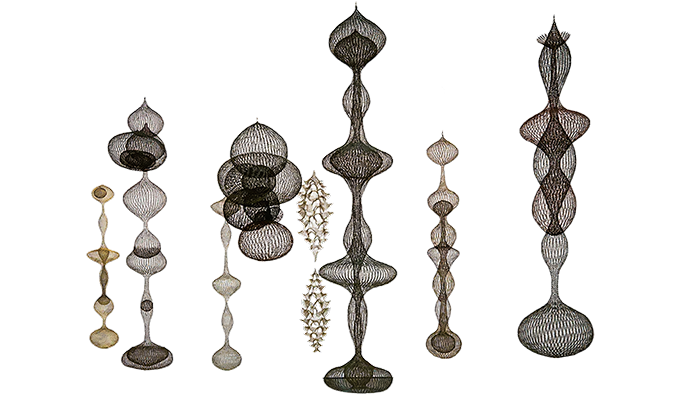
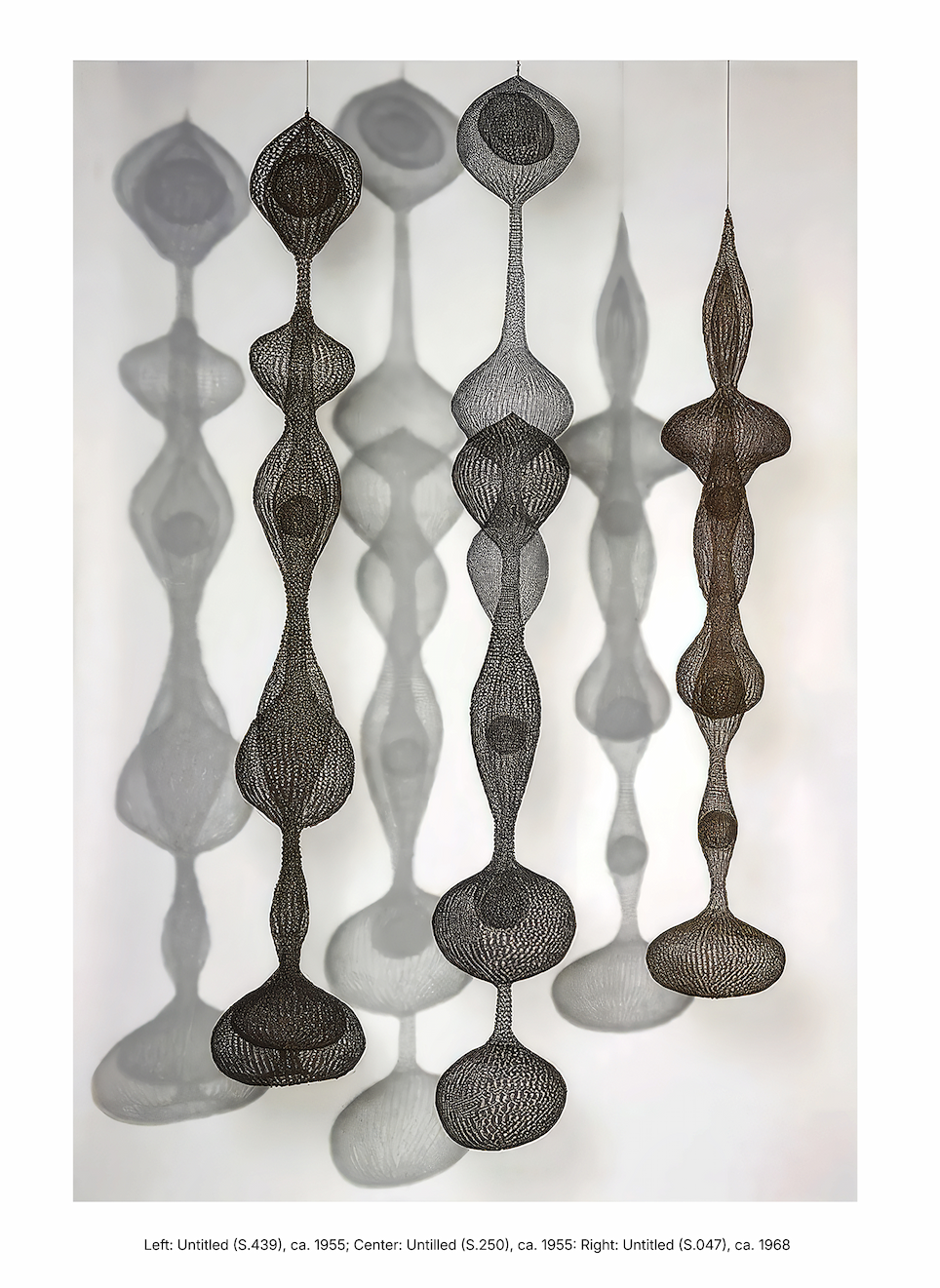
“…these sculptures transcended shapes; they constituted a physical response to isolation, a diary of hope stitched in steel. Years later, the wire continues to recount that story: of a woman who wove resilience into her work, binding pain and beauty in an unbreakable loop.”
– Mary Snowden
|
|
1926 – 2013
Renowned Japanese-American artist Ruth Asawa learned to draw from Disney animators – fellow detainees held with her family after Japan bombed Pearl Harbor. A teenage Asawa, her mother and five siblings lived at the Santa Anita racetrack in two horse stalls before being moved to an internment camp.
After the war, Asawa attended North Carolina’s Black Mountain College. Her body of work grew to include painting, drawing, and the wire sculpture she pioneered.
Working from home while raising six children,​ Asawa used a technique inspired by Mexican basket weavers, building complex forms from the inside out. Though strong as chain mail, the wire appeared delicate. Like Asawa herself, these organic structures endure – holding their shape while remaining open to air, light, and life.
Ruth Asawa: A Retrospective ran at MoMA in New York City from late 2025 to early 2026, featuring over 300 works including Asawa’s looped wire sculptures, sketches, watercolors and paintings.
|
|
Thank you for pausing with us for what I hope has been a moment of discovery and delight.
As you go forth from here, I offer you the words of poet Latif Askia Ba: “To be mindful is to remember one’s own aliveness, and poetry is the proclamation of that remembrance.”
Should you be moved to write your own poem, explore George Ella Lyon’s beautiful Where I’m From template here.
May you find inspiration in moments big and small and hear the poetry in your days and nights – for above all else, poetry reminds us that we are alive.
With love and poetry,
~ Natasha
|
|
|
No longer want to receive these emails? {% unsubscribe %}.
organization.name organization.full_address
|
|
|
|
|